



Worried about the wet belt in your EcoBoost or PureTech? We're ready when you are.
A wet belt runs inside the engine, lubricated by the engine oil, and when it starts to break down the consequences can be serious and expensive. We inspect, replace and protect wet timing belts on modern petrol and diesel engines, helping you avoid a far bigger bill further down the line. We're based in Westerhope, Newcastle upon Tyne.
Costs vary considerably from one engine to the next, so we quote per vehicle rather than a headline figure that may not apply to you. Call us with your registration for an accurate price.
We are based in Westerhope, Newcastle-upon-Tyne and are open Monday to Friday.
West Auto
4 Crispin Court
Newbiggin Lane
Westerhope
Newcastle upon Tyne
NE5 1BF
Call us today or enquire online to book your wet belt inspection.
A wet belt runs inside the engine, lubricated by the engine oil, and when it starts to break down the consequences can be serious and expensive. We inspect, replace and protect wet timing belts on modern petrol and diesel engines, helping you avoid a far bigger bill further down the line. We're based in Westerhope, Newcastle upon Tyne.
What Is a Wet Belt?
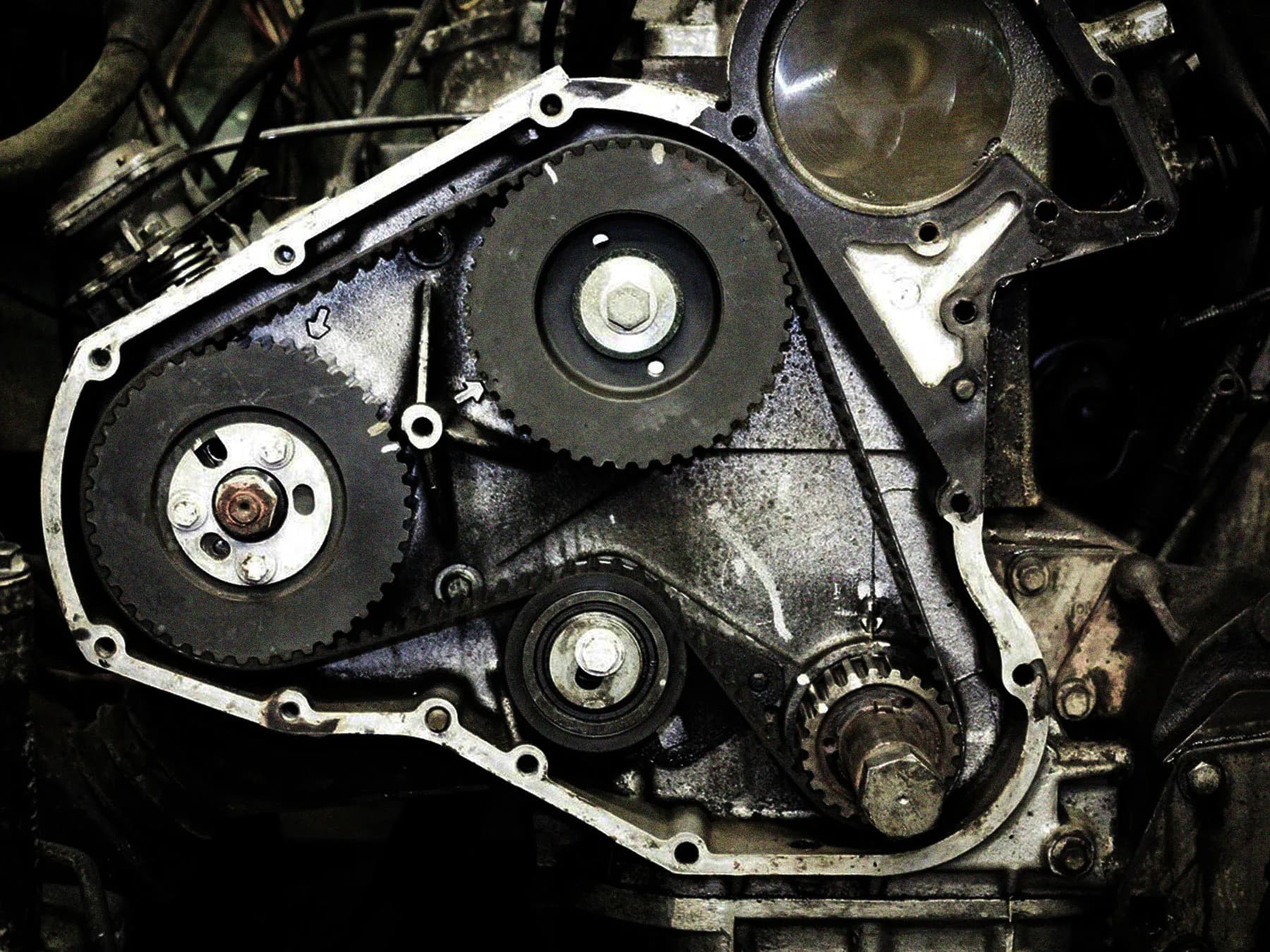
A wet belt is a timing belt that runs inside the engine, bathed in engine oil, rather than outside in the open like a traditional cam belt. Manufacturers moved to this design to reduce friction, lower emissions and make the engine quieter. You'll find them on engines such as Ford's 1.0 and 1.5 EcoBoost, the 1.2 PureTech fitted to many Peugeot, Citroen, Vauxhall and DS models, and a number of modern diesels. If you're not certain whether your car has one, we can check by registration.Why Wet Belts Fail, and Why It Matters
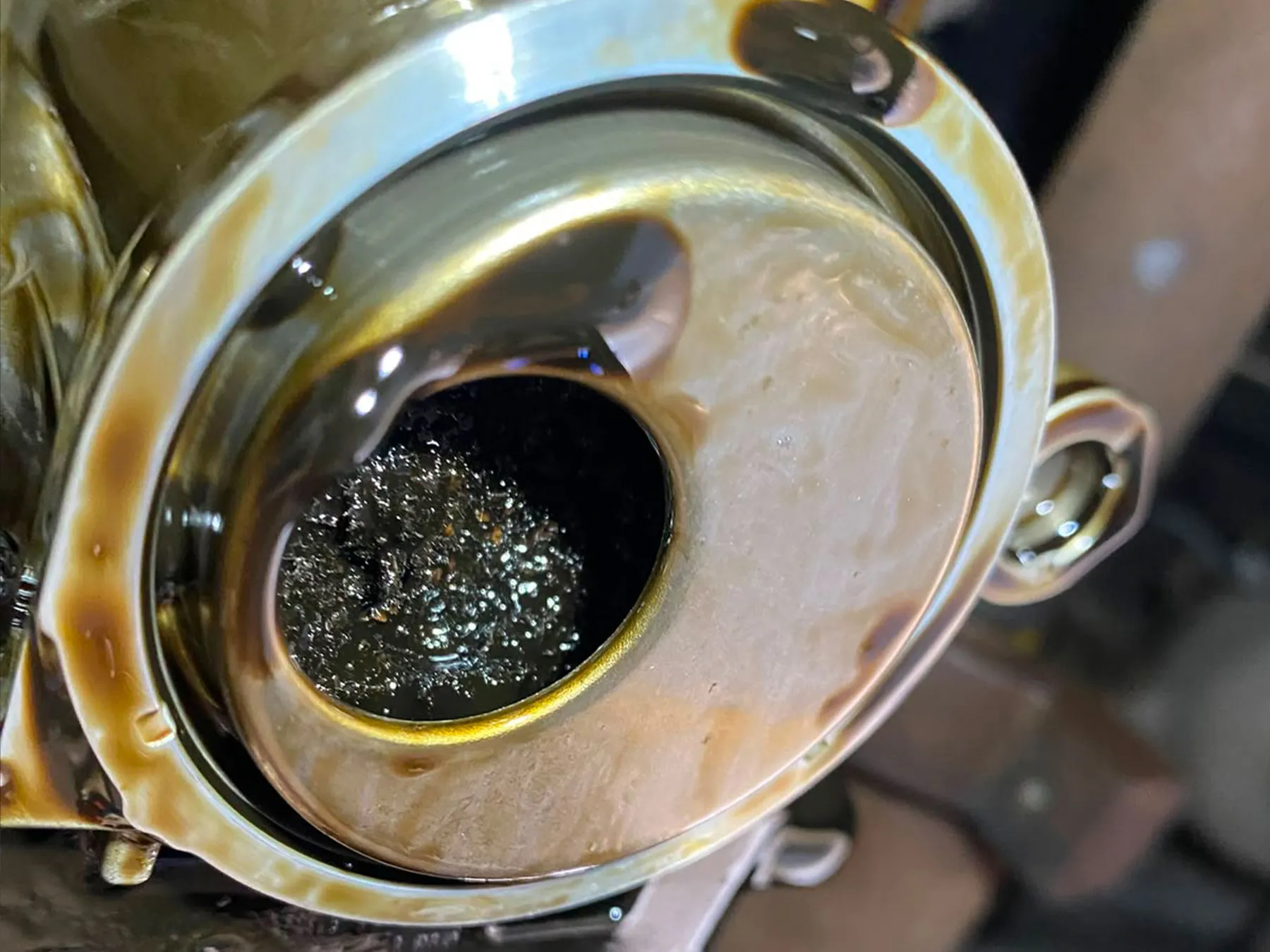
Running a belt inside the engine has a downside. Over time, and in constant contact with hot oil, the belt material can break down and shed tiny particles. Those particles can find their way to the oil pump pick-up and block it, starving the engine of oil. Once an engine loses oil pressure the damage is rapid and expensive, and in the worst cases the engine is beyond saving. This is why a wet belt is a replace-before-it-fails job, not a fix-it-when-it-breaks one.Why Timely Replacement Matters
- Protects your engine – a blocked oil pick-up can lead to total engine failure.
- Avoids a far bigger bill – replacing the belt costs a fraction of replacing an engine.
- Correct parts and oil – the right specification components and oil at every step.
- Honest advice – we check your engine's actual interval rather than guessing.
- Petrol and diesel – EcoBoost, PureTech and other modern engines covered.
- No surprise work – nothing is carried out without your approval.
Signs Your Wet Belt Needs Attention
A worn wet belt doesn't always announce itself, but there are warning signs worth acting on: a rattle or ticking from the engine on cold start-up, an oil pressure or oil warning light, a whine that wasn't there before, or simply the engine reaching the age and mileage where the belt is due. If an oil warning light comes on, stop driving and call us, as continuing to run the engine is what turns a manageable job into a destroyed engine. Where the symptom is a warning light rather than the belt interval, a quick diagnostic check tells us what's actually going on before any work starts.When Should a Wet Belt Be Replaced?
It depends on the engine and how the car has been driven. Manufacturers publish a replacement interval based on age and mileage, but because of how these belts wear in real-world use, many specialists recommend replacing earlier rather than running to the official limit. We'll check the correct interval for your specific engine and give you a straight recommendation based on its history and condition, rather than a one-size-fits-all answer.Wet Belts, Oil and Engine Health
The single biggest thing you can do to protect a wet belt is keep to the correct oil. Using the exact specification the manufacturer requires, and changing it on time at every service, slows how quickly the belt breaks down. Because wet belt problems and engine repairs often go hand in hand, anything we spot along the way is explained clearly before we carry it out.Costs vary considerably from one engine to the next, so we quote per vehicle rather than a headline figure that may not apply to you. Call us with your registration for an accurate price.
Wet Belt FAQs
What is a wet belt and which cars have one?
A wet belt is a timing belt that runs inside the engine, bathed in engine oil, rather than outside in the open like a traditional cam belt. Manufacturers use them to reduce friction, lower emissions and make the engine quieter. They are common on engines such as Ford's 1.0 and 1.5 EcoBoost, the 1.2 PureTech fitted to many Peugeot, Citroen, Vauxhall and DS models, and several modern diesels. If you are not sure whether your car has one, we can check by registration.
What happens if a wet belt fails?
As a wet belt ages it can break down in the hot oil and shed small particles of material. Those particles can block the oil pump pick-up, starving the engine of oil. Left unchecked this can lead to serious and expensive engine damage or complete failure. That is why a wet belt is best replaced before it reaches the end of its life, not after a problem appears.
How often should a wet belt be replaced?
It depends on the engine and how the car has been used. Manufacturers set a replacement interval based on age and mileage, but because of how these belts wear in real-world conditions many specialists recommend replacing earlier rather than waiting for the official limit. We can check the correct interval for your engine and advise based on its history and condition.
Can you tell if my wet belt is worn?
We can inspect the belt and the surrounding system for signs of wear, and check the oil for debris that points to a deteriorating belt. Warning signs you might notice yourself include a rattle or ticking on cold start-up, an oil pressure warning light, or the engine being due its belt interval. If an oil warning light comes on, stop driving and call us, as continuing can cause serious damage.
Does the oil matter for a wet belt?
Yes, a great deal. Using the exact oil specification the manufacturer requires, and keeping to regular oil changes, is one of the most important things you can do to make a wet belt last. The wrong oil or long-overdue changes can speed up how quickly the belt breaks down. When we replace a wet belt we refill with the correct specification oil and a new filter.
Book Your Wet Belt Inspection
Worried about a noise, a warning light, or an engine that's due its belt?We are based in Westerhope, Newcastle-upon-Tyne and are open Monday to Friday.
West Auto
4 Crispin Court
Newbiggin Lane
Westerhope
Newcastle upon Tyne
NE5 1BF
Call us today or enquire online to book your wet belt inspection.