




The Hidden Risks of Wet Belts
The small part that could cost you an engine
Wet belts have become one of the most talked-about problems in modern engines - and plenty of drivers have one without even realising it. Here's what a wet belt actually is, why it carries real risk, and how to stay ahead of an expensive surprise.

What is a wet belt?
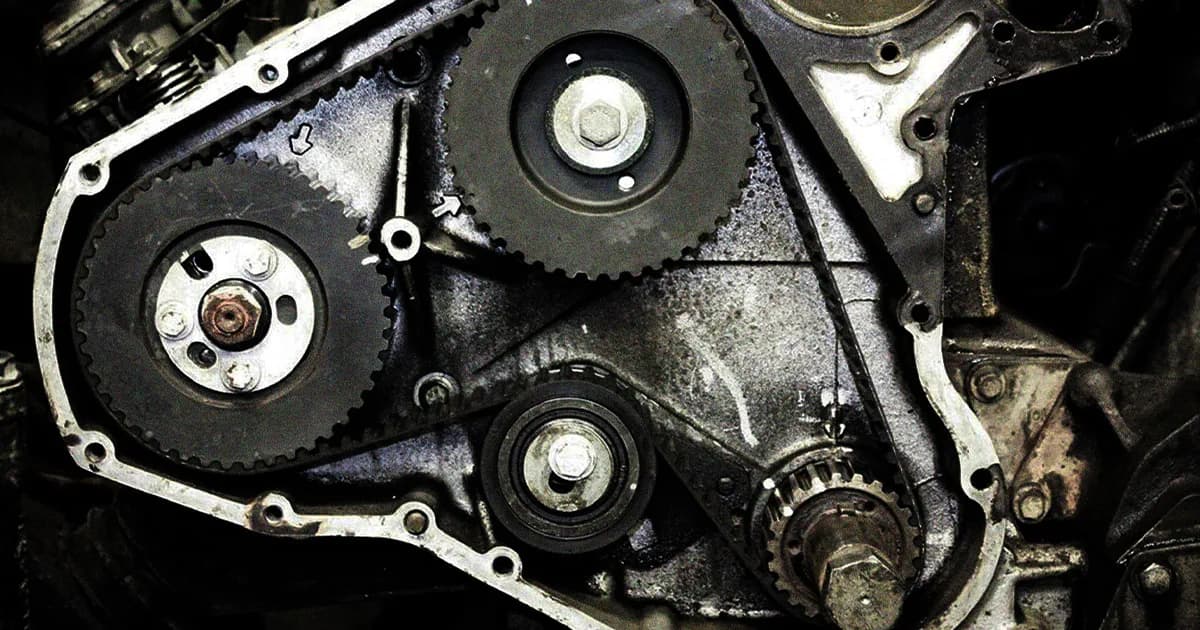
A wet belt - sometimes called a "belt-in-oil" system - is a timing belt that runs inside the engine, bathed in engine oil, rather than on the outside like a traditional dry cambelt. Manufacturers moved to the design to cut friction, lower engine noise and help meet tighter emissions targets.
In theory, running the belt in oil should help it last longer. In practice, it has turned out to be far more sensitive to oil quality and service history than anyone expected - and that's where the trouble starts.
Which cars have a wet belt?
Two engine families account for most of the wet belts on UK roads.
Ford EcoBoost and EcoBlue
The 1.0 EcoBoost petrol engines fitted to cars like the Fiesta, Focus, Puma, EcoSport and B-Max, plus the 2.0 EcoBlue diesel found in Transit and Tourneo vans.
PSA / Stellantis PureTech
The 1.0 and 1.2 PureTech petrol engines used right across Peugeot (208, 2008, 308, 3008), Citroën (C3, C4, Berlingo), DS, Vauxhall (Corsa, Astra, Mokka, Grandland) and even some Toyota models.
Not sure whether your car has one? Give us a call with your registration and we'll check for you.
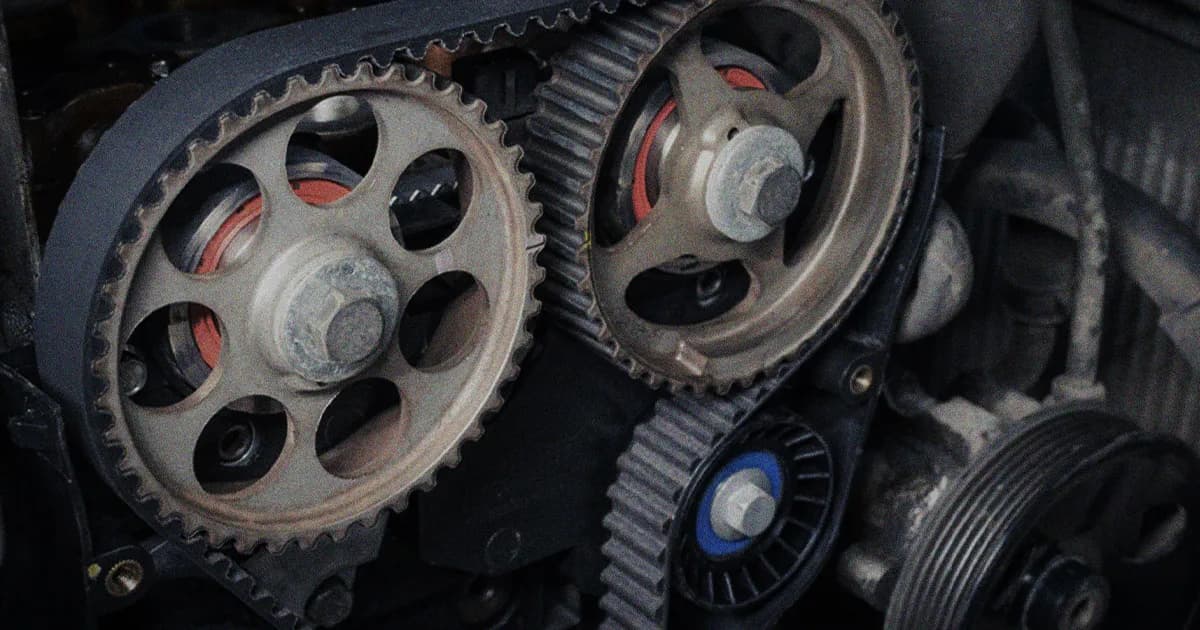
Why a wet belt is a risk
The problem comes down to where the belt lives. Sitting in oil, it slowly breaks down over time and sheds tiny particles of rubber into the engine's oil system. Those particles get drawn towards the oil pump pickup, and they can block it.
Once oil flow is restricted, the engine is starved of lubrication - and that can lead to rapid, catastrophic failure: worn bearings, low oil pressure, or a seized engine.
There's a second risk too. These are interference engines, which means the pistons and valves share the same space at different moments. If the belt snaps, they collide - bending valves and wrecking the top end of the engine. A failed wet belt is rarely a cheap fix, and in many cases it means a replacement engine.
What makes a wet belt wear out faster
A few everyday things speed up the damage, and most of them are avoidable.
Short journeys
On short trips the engine never fully warms up, which lets fuel dilute the oil. That thinner, dirtier oil is far harsher on the belt.
Stretched oil changes
Old, contaminated oil breaks the belt down faster. Sticking to - or beating - your service schedule is one of the best things you can do.
The wrong oil
Wet belt engines need the exact oil specification the manufacturer calls for. The wrong grade can accelerate wear on the belt.
The warning signs to watch for
Wet belts tend to give fewer warnings than a traditional cambelt, but there are signs worth knowing. Look out for a rattle or ticking from the engine in the first few seconds after a cold start, the oil warning light coming on, a rougher idle than usual, low oil pressure, or fine rubber flecks showing up in the oil at a service.
The catch is that by the time symptoms appear, damage may already be underway. That's exactly why replacing the belt on schedule matters far more than waiting for something to go wrong.
When should a wet belt be replaced?
It depends on the engine, and the official figures are only part of the story. Ford quote up to 10 years or 150,000 miles for EcoBoost petrols, though they've since cut the interval on their EcoBlue diesel vans to 6 years or 100,000 miles. Peugeot and Citroën quote around 6 years or 62,000 miles for the 1.2 PureTech.
In the real world, plenty of belts show serious wear well before those numbers - so a lot of specialists, ourselves included, recommend a wet belt replacement earlier for peace of mind, particularly on cars used mainly for short journeys. The safest approach is to check your specific engine's schedule and not push your luck.
Wet belt FAQs
What is a wet belt?
Which cars have a wet belt?
What happens if a wet belt fails?
How long does a wet belt last?
Can you tell if a wet belt is worn without stripping the engine?
If your car has a wet belt and it's approaching its interval - or you're just not sure where you stand - we can help. We carry out wet belt replacement on Ford and PureTech engines using quality parts, and we'll give you an honest assessment rather than a scare story. If something doesn't feel right, our diagnostics team can take a look.
Catching it in time is always cheaper than dealing with a failure.
Getting in touch with West Auto
Ready to book in with us or have some questions first?You can find us at:
West Auto
4 Crispin Court
Newbiggin Lane
Westerhope
Newcastle upon Tyne
NE5 1BF
Or via our contact page to send us a message or request a callback.
4 Crispin Court
Newbiggin Lane
Westerhope
Newcastle upon Tyne
NE5 1BF
Our Services













Highly recommend their services! Will be back 😊
I cannot thank them enough. Highly recommend.
It’s hard to find a garage you can trust, but I definitely recommend them!